BUDAFOKI/1 – DOBOS/BEETHOVEN/MUSSORGSKY/ HOLLERUNG

Dániel Dobos’s Sylvanus was written for violin and symphony orchestra and was first performed in May 2019 at the composer’s Master’s Degree concert at the Liszt Academy of Music, Budapest. Despite his young age, Dániel Dobos has already won prestigious prizes, and came first in the Bartók World Competition in November 2018 with his Drumul Dracului. The same piano piece that is based on a Moldavian dance melody also earned him the Junior Artisjus Prize at the end of February 2019. Tonight’s soloist is folk music teacher Máté Vizeli, who was awarded the Prima Junior Prize in 2018 and won first prize in the competition of the Hungarian Composers’ Association on occasion of the 135th anniversary of Kodály’s birth with his own work entitled Kalotaszeg Sonata. (Interestingly, Dániel Dobos won second place in the same competition with his composition for four folk singers and double bass, entitled Vale /Istenhozzád. [Farewell – the tr.])

The triple concerto for violin, cello and piano is a late example of the genre of “sinfonia concertante”, growing gradually less important at the time, which was also Beethoven’s only composition in this genre. The themes of the opening movement of a march-like character, the expressive A flat major Largo and the dance-like Polacca are all marked by the presence of dotted rhythm. What is interesting about the work is that Beethoven, unusually for him, takes into account the abilities of the soloists: the relatively easy-to-play piano solo was written for his pupil, Archduke Rudolf, while he seems to have demanded much more from the strings section, as the violin and the cello were played by professional musicians belonging to the court of the archduke.

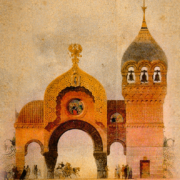
One of Musorgsky‘s best-known works is Pictures at an Exhibition, a typically Russian piece of music, a model of programme music. The work is in fact a cycle of character pieces inspired by a posthumous exhibition in 1874 by the composer’s architect-painter friend Viktor Hartman, who had died the previous year.

CANCELLED! FREE ONLINE CONCERT – VADIM REPIN/HOLLERUNG

Three of the greatest masterpieces of Russian music will be played at tonight’s concert. The first one is the overture of Kabalevsky’s (1904-1987) opera (based on the short story by Romain Rolland). The opera’s première took place in 1938 in Leningrad. The overture – one of the most outstanding orchestra pieces by Kabalevsky – serves as a brief yet very neat description of the hero of the opera: a musical rendering of the elemental vitality, sense of humour, self-consciousness and wisdom of Colas Breugnon. Kabalevsky is an obedient and talented follower of traditions. He draws much and gladly from the melodies and rhythms of Russian folk songs, but other than that, it is thanks to his simple ways of expression, direct and intimate voice and kind sense of humour that he managed to fit in so harmoniously into the social fabric of his age and society. Before writing this work he immersed himself in deep studies of the subject and also used some French and Burgundy folk songs in his piece, merging them very smoothly into his own style.

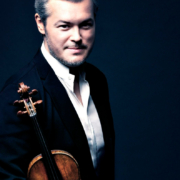
Dmitri Shostakovich dedicated his Violin Concerto No. 1 (A minor, op. 77) to David Oistrakh. In this piece, the composer broke up with the traditional 3-movement structure of the genre and articulated his concerto in four movements instead. What’s more, the concerto acquires a taste of programme music in that, apart from the tempo indication, there are also titles to its movements: the opening Nocturne is followed by a demonic Scherzo. The slow movement, a tribute to Baroque, is a Passacaglia which culminates in one of the longest cadences of the repertoire. The fourth movement is a whirlwind like Burlesque. This piece is the ultimate challenge to any soloist in terms of preparation and stamina. Oistrakh compared the violin solo to a Shakespeare hero’s role. Tonight’s soloist will be the world famous violinist Vadim Repin who has been a celebrated performer of the grandest concert halls since he was 14 and is still the youngest winner of the Queen Elisabeth Competition of Brussels, which is considered one of the most prominent musical competitions. Our orchestra first performed with him in February 2020 at the Cziffra Festival and had a raving success.

Symphony No. 3 is an odd one out in more than one aspect among the six symphonies of Tchaikovsky. This is the only one written in a major tone, the only one extending the classic four-movement model into five, the only one completed in just a few weeks and never reworked by the composer, and finally, the only one that fell into oblivion almost immediately after its première. Tchaikovsky started composing this symphony in June 1875 while at his student Vladimir Shilovsky’s estate (the piece is also dedicated to him) and finished it by early August, thus placing it in the immediate vicinity of two of his most popular works until today: Piano Concerto in B minor and Swan Lake. Symphony No. 3 also contains some suite like elements: the unusual 5-movement form – the model for which was provided among others by Beethoven’s Pastorale Symphony, Berlioz’ Fantastic Symphony or Schumann’s “Rhenish” Symphony – includes two dance like movements. The opening slow movement recalls the character of a funeral march as its enormous pedal point above the dominant A note prepares the transition to the traditional sonata formed, shiny and cheerful movement itself. After the second movement in B major which is like a German waltz, the centre of the work is taken up by the overflowing melody of the slow movement, to be followed by the Scherzo, with some of the materials of one of Tchaikovsky’s earlier written cantatas recycled in it. The Finale, which, in Cui’s judgement “fell short of a musical content”, is a grandiose, festive, brilliantly orchestrated polonaise, combined into a rondo format.

MUSSORGSKY / STRAVINSKY / DVORÁK / MANCUSI – ONLINE CONCERT

The word ‘romantic’ means ‘novelistic’, and it is no coincidence that Romantic music is often narrative or depictive in character, sometimes in a more concrete sense, and sometimes more abstractly. This concert will present two Romantic works, along with a third one positioned on the boundary between Romanticism and Modernism, although with many Romantic features – along with a strong power to narrate and depict… Mussorgsky, Stravinsky and Dvořák constitute the offering at this concert, which will be conducted by our ensemble’s first conductor, Guido Mancusi.

Mussorgsky’s musical scene Night on Bald Mountain evokes a favourite theme of the Romantic era, one also treated by Berlioz: the witches’ sabbath. This one takes place on Saint John’s Eve, when many terrifying things take place on a certain bald mountain. Extreme music with many picturesque elements, often garish ones: its is a work that does not need to be tamed. This version of the piece was arranged by Rimsky-Korsakov. Stravinsky’s Firebird Suite borrows the motifs of the wicked sorcerer, the miraculous bird, the brave prince and the captive princess from Russian folklore. While the sounds of Slavic folk life are also present in the atmosphere of this extraordinarily powerful piece, it is also influenced by the virtuosic artistry of Rimsky-Korsakov’s orchestrations, French Impressionism and the nascent Modernism of the time.

Someone listening to Dvořák’s New World Symphony and knowing what the title is might very well believe that the composer is conveying America: it’s quite easy to imagine the endless prairies and the monumental dimensions of the bustling metropolises. In reality, though, the work incorporates only a single melody, an American Indian tune, that can be linked to America; otherwise, the music is purely Slavic, just like the composer’s other symphonies. Conducting the Budafok Dohnanyi Orchestra at this concert will be the Italian-Austrian maestro Guido Mancusi, who was born in Naples in 1966.

ELMARAD! – MOZART: DON GIOVANNI

A jelenlegi helyzetben az opera szcenírozott megvalósítása túl nagy kockázatot jelentett volna, ezért azt későbbi időpontra halasztjuk, amikor a művet már biztonságosan elő lehet adni. Mégis szerettük volna, hogy ez a nap ne maradjon Don Giovanni nélkül, ezért kalandra hívjuk a kedves nézőket.

A Don Giovanni nem egyszerűen Mozart egyik operája, hanem többi operájához hasonlóan a szerző zenei gondolkodásának tárháza. E tárház alapelemei leginkább operaszereplőinek zenei-érzelmi megformálásában érhetők tetten, melyek a Don Giovannit megelőzően és azután is jelen vannak zongoraversenyeiben, szimfóniáiban, kamaraműveiben. Az előadás célja, hogy a Don Giovannihoz kapcsolódó zenei gondolatok világába vezesse be a közönséget egy pasticcio formájában. A pasticcio a 18. századi zene egy kedvelt műfaja volt, amelyben a szerzők különböző művekből állítottak össze egy új alkotást. Több olyan opera ismert, amelyben az áriák adott esetben öt-hat különböző zeneszerzőtől származnak (a szót egyébként fordíthatjuk pástétomnak, rendetlenségnek, illetve konkrétan egy olasz rakott tésztaételre is utal).

A Don Giovanni pasticcio-ról bővebben itt olvashat: https://bdz.hu/koncertek/don-giovanni-pasticcio/

JEGYVISSZAVÁLTÁS

Akár a későbbi időpontban megtekinthető előadást, akár a jegyvisszaváltást választja, kérjük, az alábbi űrlapot töltse ki és jelezze számunkra szándékát:

https://form.jotform.com/203222986849971

ZENEPLUSZ/1 – HÄNDEL: JÚDÁS MAKKABEUS

A Júdás Makkabeus a Messiás mellett Händel legnépszerűbb oratóriuma, melynek születését a kor eseményei ihlették. Valamennyi Händel-oratóriumnak sajátos előadói története van, s ezek az alkotások szinte minden alkalommal másképp szólaltak meg: tételek cserélődtek vagy maradtak ki, bizonyos koncertekre pedig újak íródtak. A darab legnépszerűbb részlete, a „See, the Conqu’ring Hero Comes!” kezdetű kórustétel eredetileg a Józsué című oratórium része volt, de a Júdás Makkabeus népszerűségének köszönhetően a szerző átemelte ebbe a műbe.

1701-ben az angol parlament kizárta a Stuart-ház katolikus tagjait az utódlásból, így a Hannover-ház került trónra. A Stuartok többször próbálták visszaszerezni hatalmukat, aminek 1746-ban a cullodeni csata vetett véget. Ebből az alkalomból született Händel műve, melynek témáját nem véletlenül választotta a szerző. A makkabeusok a zsidó vallásszabadságért síkra szálló főpapok voltak, egyik vezérük, Júdás visszafoglalta a jeruzsálemi nagytemplomot (erről emlékezik meg a hanuka ünnepe). A történet ismert és népszerű volt, az angol közvélemény könnyen azonosult a hitéért küzdő zsidó néppel, különösen a katolicizmussal folytatott másfél évszázados harcuk okán, hiszen az anglikán vallás nemzeti identitásuk fontos részét képezte.
A Júdás Makkabeus talán Händel leginkább operaszerű oratóriuma, hatalmas tablók sorozata, melyben következetesen használja a korszak operastílusának toposzait, legyen szó gyászról, harci kedvről (bosszúáriákhoz hasonlító tételek), és fontos szerep jut a győzelmi zenéknek. A kor jellegzetes kifejezőeszközei is megjelennek a műben: a fájdalmat megjelenítő kromatika, a felfokozott érzelmeket jelző koloratúrák, a tettrekészség fanfármotívumai, vagy a békevágy pasztorális, hatnyolcados lüktetése. Mindemellett félreérthetetlen utalás a második felvonás vége, ahol a kórus a megingathatatlan hitről énekel, Händel pedig egy protestáns korálra emlékeztető zenei anyaggal keretezi ezt a részletet.

AZ ONLINE KÖZVETÍTÉSRE JEGYET IDE KATTINTVA VÁSÁROLHAT!

MEGÉRTHETŐ/5 – INGYENES ONLINE KONCERT – A SZIMFONIKUS KÖLTEMÉNY SZÜLETÉSE

A szimfonikus költemény a 19. század második felének jellegzetes műfaja. Közvetlen előzményei közé tartoznak azok az operanyitányok (programnyitányok), amelyekben a nyitány tartalmazza az opera legfontosabb zenei motívumait, karaktereit.

A szimfonikus költemény hátterében mindig meghúzódik egy program, amelyet a szerző sokszor csak utólag fogalmaz meg. De felfedezhető a műfajban az irodalom romanticizáló eszméinek hatása is. Az olyan örök érvényű gondolatok, mint élet-halál, elkárhozás-megdicsőülés, bőséges inspirációt adnak a zenei kifejezéshez.

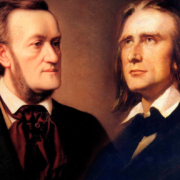
Ezen a koncertünkön bemutatunk egy jellegzetes programnyitányt, a Tannhäusert, amely magába sűríti az opera legfontosabb motívumait, majd a szimfonikus költemény műfajának egyik alapvetését, a Les Préludes-öt ismertetjük meg kedves közönségünkkel.

MEGÉRTHETŐ/3 – ÖRÖK FORRÁS: A klasszika harmóniája

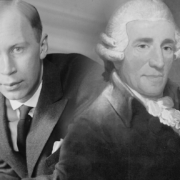
Prokofjev Klasszikus szimfóniája közismerten egy Haydn szimfónia modern értelmezése, amelyben jól tetten érhetjük a Haydn-szimfóniák zenei karakterét és gondolkodásmódját. Mindennek szemléltetésére eljátszunk egy Haydn szimfóniát is, amely egy “virtuális szimfónia”, azaz Haydn négy különböző szimfóniájának tételeiből összeállított alkotás. A kiválasztott tételek bemutatásával jól felismerhető a haydn-i zenei világ jelenléte Prokofjev művében.

Read more

ELMARAD! MEGÉRTHETŐ/2 – A SZIMFONIKUS KÖLTEMÉNY SZÜLETÉSE

Sajnálattal tudatjuk közönségünkkel, hogy a várhatón november 11-én életbe lépő szigorítások okozta bizonytalanságok miatt ez a koncertünk elmarad, így sajnos virtuális koncerttermünkbe sem tudjuk elhívni az érdeklődőket.

*********************************************************************************************************************************

Wagner: Tannhäuser-nyitány

Liszt: Les Préludes

COMPREHENSIBLE MUSIC/1 – PAINTINGS – MUSSORGSKY-RAVEL: PICTURES AT AN EXHIBITION

One of Mussorgsky’s best-known works is Pictures at an Exhibition, a typically Russian piece of music, a model of programme music. The work is in fact a cycle of character pieces inspired by a posthumous exhibition in 1874 by the composer’s architect-painter friend Viktor Hartman, who had died the previous year.

DOHNÁNYI/5 – FREE ONLINE CONCERT – ROSSINI / CSAJKOVSZKIJ / FEJÉRVÁRI / BARÁTI

William Tell is an opera in four acts by Rossini. Its libretto was written by Etienne de Jouy and Hippolyte Bis, based on Schiller’s drama entitled Wilhelm Tell. The première took place on 3 August 1829 in the Paris opera house. This was Rossini’s last opera. Its length (more than four hours of music) and extraordinary requirements (very high range parts for the singers) make it a rather rarely performed piece. The overture, however, is world famous and often featured in both films and cartoons. It presents the main motifs of the opera, in four parts: a peaceful introductory melody is followed by the depiction of a storm, then a call to the dairy cows written for English horn and finally, the sounds of the cavalry charge which is also the climax of the overture.

Ravel planned to perform his Piano Concerto in G minor himself for the first time, however, since the technical requirements proved to be excessive, he gave up on it and had Marguerite Long play the solo at the première in January 1932. The two artists then set out on a Central European tour and so Piano Concerto in G major was also performed in Hungary: the concert took place on 18 April in the Pest Vigadó.

“The music of a Concerto, in my opinion, should be light-hearted and brilliant, and not aim at profundity and dramatic effects. … I had thought at first of entitling my concerto ‘Divertissement.’ Then it occurred to me that there was no need to do so, because the very title ‘Concerto’ should be sufficiently clear in the matter of characterization. In certain respects this concerto is not unrelated to my Violin Sonata. It has touches of jazz.” This is how Ravel described Piano Concerto in G major to a journalist, however, research has shown that his sentences insisting on the light-heartedness of his work should not be taken at face value. In fact the composer had toiled with the idea of writing a piano concerto already at the beginning of the 1910’s, in order to preserve the memory of his homeland, the Pyrenees in it that he visited almost every summer in later times as well. The two framing movements of Piano Concerto in G major were written using the early notes and sketches of that planned work and so this music probably did mean more than just a brilliant play to Ravel. The slow movement that was composed somewhat later, however, as far as we know now, does not rely on these earlier plans – rather, it may have been inspired by the slow movement in Mozart’s Clarinet Quintet according to Roland Manuel, the first biographer and close friend of Ravel.

The closing piece of our concert will be one of Tchaikovsky’s last compositions. The première of Symphony No. 6 (Pathetique) was on 28th October 1893, only 9 days before the author’s death. The musical piece did not cause a great sensation and had moderate success in Saint Petersburg at the time. However, a few days later, on the day of Tchaikovsky’s death, rumours started spreading that the composer actually wrote of his own passing in this symphony and that’s why he never spoke of the programme of the work. On 14th November a concert in honour of Tchaikovsky was organised where, among other works, Symphony No. 6 was also performed. After the concert, Rimsky-Korsakov wrote, “People actually tend to go crazy for such stories. What moved the audience this time was the fact that the last, sombre movement of the symphony offered itself for a connection to such presentiments. The excellent composition soon became very famous, what’s more, fashionable”. Tchaikovsky wrote of his work as follows, “The form of this symphony will have much that is new, and amongst other things, the finale will not be a noisy allegro, but on the contrary, a long drawn-out adagio. You can’t imagine how blissful I feel in the conviction that my time is not yet passed, and to work is still possible. … [The symphony is now] “coming along. I’m very pleased with its content, but dissatisfied, or rather not completely satisfied, with the instrumentation. To me it would be typical and unsurprising if this symphony were torn to pieces or little appreciated, for it wouldn’t be for the first time that had happened. But I absolutely consider it to be the best, and in particular, the most sincere of all my creations. I love it as I have never loved any of my other musical offspring”.