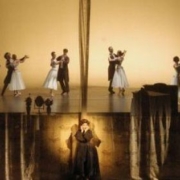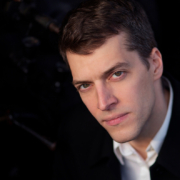
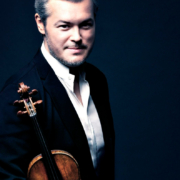
VADIM REPIN AND BUDAFOK DOHNANYI ORCHESTRA

This concert will see Budafok Dohnányi Orchestra welcoming a superstar: world famous violinist Vadim Repin who has been a celebrated performer of the grandest concert halls since he was 14 and is still the youngest winner of the Queen Elizabeth Competition of Brussels, which is considered one of the most prominent musical competitions. Our orchestra first performed with him in February 2020 at the Cziffra Festival and had a raving success.

Given the chance to welcome a Russian guest performer on stage, BDO prepared a careful selection of the masterpieces of Russian music for the programme. The first one our audience will be able to listen to is the Overture of Kabalevsky’s (1904-1987) opera, which was based on the short story by Romain Rolland. Then Violin Concerto No. 1 by Shostakovich will be performed, in which the composer broke up with the traditional 3-movement structure of the genre and articulated his concerto in four movements instead: Nocturne, evoking the atmospheres and thoughts of the night is followed by a demonic Scherzo, then a tribute to Baroque music in a Passacaglia, ending the violin concerto by a whirl wind like Burlesque. The last work to be performed at the concert is a bravura piece by Tchaikovsky, the widely popular Symphony No. 4. The composer himself described its construction in ample detail. He calls the introduction of the first movement the core of the entire work where “fate…the fatal power which prevents one from attaining the goal of happiness” is expressed in music. The meek melancholy characterising the grand melody of the second movement is described in terms of a sentimental Weltschmerz (a deep sadness about the inadequacy or imperfection of the world – the tr.) by the composer. The scherzo is not specifically mentioned by Tchaikovsky in terms of a content description, although this is the most exciting part of the symphony: all string instruments are played without the bow, just being plucked, and in the trio, woodwinds create a humorous genre picture of an unbridled folk feast. A great summary of the finale (and the entire concert) is provided in Tchaikovsky’s own words: “Rejoice in the rejoicing of others – to live is still possible”.
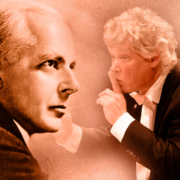

ONLINE: A MAGYAR KLASSZIKUS ZENE NAPJA – In memoriam Kocsis Zoltán – Hangverseny karmesteri magyarázattal

Hagyományteremtő szándékkal május 30-án, a néhai Kocsis Zoltán zongoraművész, karmester születésnapján indítja útjára A magyar klasszikus zene napja elnevezésű programsorozatát a Zeneakadémia és a Nemzeti Filharmonikusok, bevonva az ország számos együttesét és oktatási intézményét. Idén öt éve annak, hogy elhunyt Kocsis Zoltán kétszeres Kossuth- és Liszt Ferenc-díjas zongoraművész, karmester és zeneszerző, a Nemzeti Filharmonikusok főzeneigazgatója, az elmúlt fél évszázad egyik legnagyobb hatású magyar művésze.

A kezdeményezéshez egy kifejezetten erre az alkalomra összeállított és rögzített online koncerttel csatlakozik a zenekarunk. A szórakoztatóan ismeretterjesztő, legendásan szuggesztív, karmesteri magyarázatokkal kiegészített és átszőtt Megérthető zene sorozatunkban ráadás koncertként felvett Bartók: A csodálatos mandarin – szvittel kívánunk emlékezni és tisztelegni Kocsis Zoltán előtt. Hollerung Gábor sajátos viszonyt ápol a Kocsis Zoltán által is kiemelt kötődéssel kezelt Bartók-életművel. Tudása és Bartók-ismerete közismerten kiemelkedő.

Május 30-án, Kocsis Zoltán születésnapján Bartókkal várjuk tehát közönségünket a Megérthető zene koncerten. A Bartók által írt A csodálatos mandarin koncertszvitje szólal meg, amely a hajszával záródik. A mű a XX-XXI. század örök érvényű, ma is igen aktuális kérdéseit taglalja: Mi a civilizáció és mi a barbárság? Hogyan tudjuk a bűnt és a tisztaságot megkülönböztetni? Hogyan tudunk elevickélni a mindig is létező bűnök és a reményeink szerint szintén mindig létező tisztaság között?

FREE ONLINE CONCERT! Conductor and soloist: Barnabás Kelemen

The concert can be watched on BDO’s YouTube channel free of charge!

The special twist to our concert is that the audience will be entertained not only by master violinist Barnabás Kelemen’s virtuosic play, but witness a demonstration of his conducting talent as well.

To open the concert, Mendelssohn’s Hebrides Overture will be played, a piece inspired by the overwhelming experience of the composer upon visiting the Outer Hebrides in Scotland. In 1832 he writes in a letter: “Die Hebriden…I can’t release here, because I still regard it as unfinished… The middle part in D major marked forte is rather ridiculous, and the so-called working out smells more of counterpoint than of train-oil and seagulls and salted cod – it  should be just the other way round.” Mendelssohn’s intention was to hide his “learning” as a student raised on the music of Bach and Mozart in terms of structure, and to showcase the depiction of the scenery and the atmosphere instead.

After this the moment will come for our conductor to grab his violin and take the lead in performing Mendelssohn’s Violin Concerto in E minor. The work is from the last creative period of the composer. However, the glistening surface, the almost protest-like simple thematic and the “Midsummer Night-ish” mood of the finale is somewhat misleading: in this work of his, Mendelssohn opened the way to a number of formal innovations that may have been quite surprising to his audience – unlike the unsuspecting crowds today for whom it is “the violin concerto”, an ever valid point of reference in music.

To close our online concert we will be playing Schubert’s Symphony No. 5. This is one of the few works by Schubert the première of which has been documented with very certain data: it was first performed in 1816 – the year it was written – by an amateur orchestra. Schubert’s earlier symphonies followed in the footsteps of Haydn in terms of technical solutions and – at least as regards the intention – Beethoven in terms of forms of expression. This time, however, the composer set out on the track beaten by the nineteen-year-old Mozart. And managed to complete the track, too.

HAYDN: Megváltónk utolsó hét szava a keresztfán – Lackfi János nagypénteki gondolataival

Különleges alkotás Joseph Haydn szerzeménye, a Megváltónk utolsó hét szava a keresztfán. Már komponálásának körülményei is jelentősen eltértek a megszokottól. A bibliai tárgyú zeneművet a cádizi érsek rendelte a nevezetes Santa Cueva barlangtemplomban zajló nagypénteki szertartásra. A megrendelő részletes leírást adott a templomról a helyszínt nem ismerő komponistának, és a ceremóniához fűzött egyéb kéréseivel pontosan meghatározta a mű főbb vázlatait.
A zenetörténet egyik legérdekesebb módon, 1787-ben keletkezett oratóriumát maga a szerző is egyik legsikerültebb alkotásának tekintette.
A premier sem volt szokványosnak mondható. Vizuális elemekkel, elsötétítéssel, a stilizált vihar okozta függönyszaggatással fokozták a zene és a tételekhez kapcsolt érseki elmélkedések összművészeti hatását.
A Budafoki Dohnányi Zenekar interpretációja is segítségül hívja a szavakat, képeket, hangulatokat. A zenekar által felkért ismert és elismert költő, gondolkodó, Lackfi János osztja meg a közönséggel a húsvéthoz és Haydn művéhez kapcsolódó gondolatait minden tétel elején, megteremtve ezzel annak lehetőségét, hogy a hallgató még közelebbről, még mélyebben találkozhasson a felcsendülő tétel zeneiségével. A BDZ a katartikus záró Vihar-tétel után Haydn: C-dúr (No. 69) szimfóniájának 1. tételével készíti elő közönségét a boldogságot hozó feltámadásra.

MADARÁSZ 70

Ünnepi hangverseny Madarász Iván 70. születésnapja alkalmából

FREE ONLINE CONCERT – BRANDENBURG / WAGNER / SCHUMANN / DUBÓCZKY

The first piece to be played at the concert is Prières nocturnes (Evening Prayers) by Ádám Brandenburg. The young composer is considered an outstanding talent of his generation. He is active in several musical genres: apart from concert music, he has been engaged with theatre and pop music and has composed movie soundtracks as well. Apart from his creative work, he teaches and does scholarly work, too. Of a peculiar tone, Prières nocturnes has already won many awards, among them “Junior classical composer of the year” by Artisjus. This is what the author says about his work, “I wrote my first orchestra piece in 2017 with the intention of illustrating the impressions and experiences of different night prayers through music. I found the apparatus of a symphonic orchestra suitable for creating possibly the most interesting colours and musical textures in order to depict this sacral topic. This piece is an example of programme music that is very difficult to interpret, with a form that covers a linear journey between the different states of mind, dividing into three main units. I believe that the thematic of the sacred that is very important to me has successfully been embodied in music.”

Wotan’s Farewell and Magic Fire is a real opera hit song, not only for Wagner fans but among a much greater company of opera lovers. In the last scene of Wagner’s opera The Valkyrie Wotan is taking farewell from his daughter Brünnhilde who had turned against her father and thus deserves punishment. The father puts his daughter to sleep, surrounded and protected by a circle of fire. He invokes the demigod of fire, Loge to create a circle of perpetual fire around her. This magnificent scene is one of the excellent examples of the depiction of fire in the history of music that has even inspired some 21st century film score composers.

The numbering of Schumann’s four symphonies does not refer to the chronology of their writing but their publication in print – his Symphony No. 3, “Rhenish” is actually the last of the composer’s works in this genre. Having gone through a deep emotional and creative crisis in the previous years, the now 40-year-old composer is starting a positive phase in his life, shortly after accepting and taking up the music director’s position offered to him by the city of Düsseldorf in September 1850. As opposed to the classic symphony structure, this work has five movements instead of four, as Schumann inserted one (that was probably inspired by the Cologne Cathedral) between the third slow movement and the finale. (This is where the trombones first make a first appearance, sounding the choral-esque melody of the solemn movement composed in E-flat minor.) Although the composer rejected the earlier description of his work as “a piece of life on the Rhine” and as programme music, the nickname “Rhenish” was given to it and in fact, listening to the surging, joyous music of the first movement does make the listener associate an image of nature with it. The second movement has “Scherzo” as an indication but with its somewhat tempered rhythm it shows no resemblance whatsoever with the usual symphony scherzos, and elements of the three-part and the variation theme are mixed in it. The tenderly lyrical third movement is followed by the archaic style fourth written in E-flat minor, and closed by a graceful, dance like finale bringing back the lively tempo and blissfully happy, serene tone of the opening movement.

BDZ Újévi Koncert 2021 – Müpa Home Live

Ajándék ÚJÉVI KONCERT a Budafoki Dohnányi Zenekarral és VILÁGSZTÁROKKAL!


A BDZ szokásához híven, a reményeink szerint a tavalyinál sokkal vidámabb és kellemesebb új évet szeretnénk önökkel együtt köszönteni zenével, vidámsággal és olyan nemzetközi sztárokkal, mint Boldóczki Gábor – trombitaművész, Kálmán Péter – operaénekes, Rácz Rita – operaénekes és a Káel Norbert által vezetett Jazzical Trio.


Az óriási népszerűségnek örvendő, ikonikus BDZ ÚJÉVI KONCERT most, 2021 januárjában sem marad el! A jelenleg érvényben lévő járványügyi szabályozások értelmében közönséget ugyan nem fogadhatunk a koncertteremben, de mi magunk ott leszünk, a Müpa Home Live közvetítésnek köszönhetően pedig önöket is meg tudjuk hívni az online nézők számára ingyenes új év köszöntésre, az eredetileg meghirdetett időpontban, 2021. január 9-én 19.30 órakor. Aki előre gondolkodott, és előrelátó jegyvásárlással biztosította helyét a mindig hamar telt házassá váló BDZ újévi koncertre, annak – megköszönve bizalmát és lelkesedését – visszautaljuk a megváltott jegyek árát, bízva abban, hogy együtt lehetünk az ingyenes Müpa Home Live közvetítés során a www.mupa.hu oldalon vagy a Müpa YouTube csatornáján: https://www.youtube.com/mupabudapest

BDZ a TV-ben! – a 2020-as ÚJÉVI hangverseny felvétele

A Budafoki Dohnányi Zenekar a pandémiás időszak alatt végig önökkel volt, önökkel van. Nem történik ez másként az évvégi ünnepi időszakban sem.


A SZILVESZTERRE készülődve, december 30-án szintén az M5 műsorán leszünk önökkel, méghozzá a 2020 januárjában rögzített Müpa-Újévi koncertünkkel.

Mentse el a műsorokat egy kattintással a jobb oldalon található “Hozzáadás a naptárhoz” gombra kattintva, hogy ne maradjon le egyik eseményről sem!

BDZ a TV-ben! – a 2019-es IGAZÁBÓL KARÁCSONY koncertshow felvétele

A Budafoki Dohnányi Zenekar a pandémiás időszak alatt végig önökkel volt, önökkel van. Nem történik ez másként az évvégi ünnepi időszakban sem.


A KARÁCSONYT is önökkel töltjük! December 26-án este 20.45 órakor a tavalyi IGAZÁBÓL KARÁCSONY című szimfonikus koncertshow-nkkal hozzuk el az M5 tv csatornán az önök otthonába az igazi BDZ-karácsony hangulatot; lendületes zenét, magával ragadó látványvilágot, közönségsikert, igazi karácsonyi zenei csodát.


A SZILVESZTERRE készülődve, december 30-án szintén az M5 műsorán leszünk önökkel, méghozzá a 2020 januárjában rögzített Müpa-Újévi koncertünkkel.


Mentse el a műsorokat egy kattintással a jobb oldalon található “Hozzáadás a naptárhoz” gombra kattintva, hogy ne maradjon le egyik eseményről sem!

BDZ a TV-ben! VIRTUÓZOK – élő döntő

A Budafoki Dohnányi Zenekar a pandémiás időszak alatt végig önökkel volt, önökkel van. Nem történik ez másként az évvégi ünnepi időszakban sem.

Az ADVENT idején, egész decemberben a BDZ adja az M5-ön és a Duna tévén, valamint a további négy országban közvetített VIRTUÓZOK című komolyzenei tehetségkutató műsor szimfonikus zenei alapját, hátterét. A december 18-ai döntőben is zenekarunk ismerős arcait láthatják, ismerős zenei megfogalmazásait hallhatják a tévénézők.

A KARÁCSONYT is önökkel töltjük! December 26-án este 20.45 órakor a tavalyi IGAZÁBÓL KARÁCSONY című szimfonikus koncertshow-nkkal hozzuk el az M5 tv csatornán az önök otthonába az igazi BDZ-karácsony hangulatot; lendületes zenét, magával ragadó látványvilágot, közönségsikert, igazi karácsonyi zenei csodát.

Mentse el a műsorokat egy kattintással a jobb oldalon található “Hozzáadás a naptárhoz” gombra kattintva, hogy ne maradjon le egyik eseményről sem!